

The United Kingdom’s iGaming scene moves fast handofanubis.net. New slots arrive constantly, their themes whizzing by like symbols on a screen. Yet one slot has remained, finding a lasting place in the hearts of British players. Hand of Anubis has achieved more than mere entertainment. It has created a real emotional bond. This connection goes beyond its payout potential or impressive visuals, though it has an abundance of both. It connects with something more fundamental in the British player’s mentality. It plays into a love for history, a need for a compelling story, and a respect for games that treat the player as an clever participant. For many, this slot isn’t just another game. It’s a regular stop, a comforting tradition. It reveals a solid grasp of what British gamers want from their gaming time.
The significance of availability and device coverage
A game can’t build broad emotional connections if people can’t easily find it. Hand of Anubis accomplished this by being almost everywhere the sites UK players frequent. You can find it on:
- The platforms of leading UK online casinos that comply with rigorous advertising guidelines.
- Dedicated mobile casino apps, tailored for fluid performance on mobile devices during a journey or a peaceful evening at home.
- Newer social casino platforms, where its design and features appeal to a more casual crowd.
Compare to the “British Pub Fruit Machine” Legacy
Part of the psychological connection comes from how Hand of Anubis deliberately stands apart from a deep-seated piece of UK gaming history: the traditional pub fruit machine or the fixed-odds betting terminal (FOBT). Those machines delivered simpler, faster, and often more solitary experiences, noted for their high volatility. Hand of Anubis provides more continuous engagement. It has elaborate bonus rounds and a more robust narrative thread. For a generation of players transitioning from physical to digital gaming, this seems like an evolution. It offers the well-known thrill of the chase but combines it with the depth and production quality of a modern video game. This contrast renders it feel like a refined upgrade. It meets a desire for more substantial entertainment while still delivering the core excitement that drew people to gaming in the first place. The game is clever about this. It includes sensory feedback that replicates physical machines, like the satisfying *clunk* of a locking symbol that simulates a physical reel stopping. But it combines this with far greater visual and narrative complexity. It bridges a nostalgic past with a digital present, creating an emotional landscape that feels both reassuring and new.
Collective and Common Cultural Moments
The link with this game isn’t confined to solo play. It extends into communities. On UK-focused casino forums, social media groups, and streaming channels, Hand of Anubis has become a common reference point. Players trade stories of big wins and painful near-misses on the respin feature. They debate the best betting strategies and share screenshots of successful tomb raids. This community buzz magnifies everything. Seeing another player from the UK hit a big win on the same grid creates a impression of shared possibility. The game evolves from a private hobby to a communal activity. Its reputation expands through word of mouth, creating a loop where popularity drives more emotional investment. The name “Hand of Anubis” itself becomes synonymous for a distinct, quality experience within these circles. Popular UK streamers often feature the slot, creating live, collective moments of tension and celebration for thousands of viewers at once. These broadcasts often focus on concrete, relatable situations that strengthen the group bond. For instance:
- The painful “one symbol short” moment, where just one more Anubis symbol was needed for a major win.
- Continuous debates about bet sizing, with members pooling observations on how different stakes work with the game’s medium volatility.
- Triumphant posts about “tomb clears,” where players upload videos of navigating the bonus round to its most profitable end.
Consistency with UK Player Principles: Fairness and Openness
Trust is crucial for UK players. They are among the strictest and careful gamblers globally. The psychological security needed for genuine satisfaction depends on a game appearing just. Hand of Anubis creates this feeling through clear mechanics. The “Hold and Win” feature, while dependent on randomness, displays its operations clearly. Symbols become fixed, respins are given, and the path to a win is visually obvious. This clarity demystifies the process, matching the UK’s robust tradition of consumer rights. On top of that, its presence at trustworthy casinos regulated by the UK Gambling Commission offers a layer of formal trust. Players can let themselves feel the game’s exhilaration because they aren’t bogged down by uncertainties about its honesty. This cornerstone of felt justice is essential. It allows the deeper emotional highs of anticipation and reward to establish themselves. The game’s published Return to Player (RTP) percentage, a key figure for savvy UK players, is attractive and commonly presented clearly at regulated sites. The rules avoid needless complexity. Players believe they grasp what’s happening, which lowers anxiety and allows them to enjoy the game’s emotional ride without a persistent sense of being tricked.
A Shared Fascination about Ancient Egypt
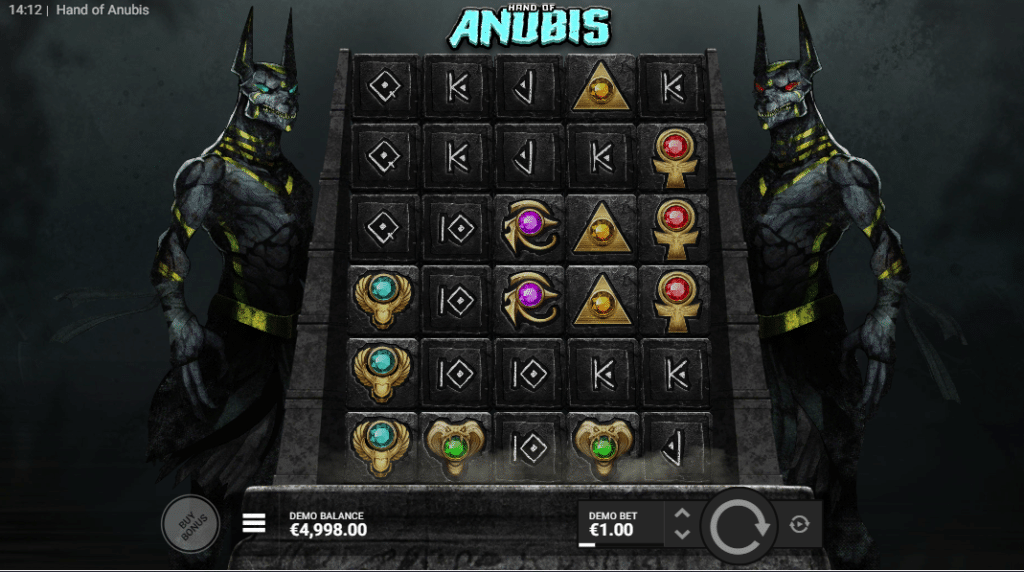
Britain holds a enduring love affair regarding Ancient Egypt. You can witness it inside the crowded Egyptian galleries of the British Museum and catch it in the documentaries that pack TV schedules. Hand of Anubis plugs directly into this common interest. It doesn’t use the theme as a cheap backdrop. It constructs a complete world centered on the god of the afterlife. For players here, the sight of sarcophagi, scarabs, and the majestic figure of Anubis is not simply unfamiliar or unusual. It’s familiar and intensely interesting. This present cultural link makes the game seem familiar from the first spin. It presents a kind of interactive discovery, enabling people play within a historical setting they already enjoy. It fulfills a extensive curiosity about mythology and archaeology that permeates British media and education. The designers obviously did their homework. Symbols such as the Eye of Horus or the Ankh convey an authentic feel, which is important to an audience that could already identify them from books or films. This commitment to credibility assists players get absorbed in the game. They feel they are experiencing a respectful take on the myth, not a silly cartoon.
Narrative Complexity in a Genre of Chance
Plenty of slots are built on flash and noise. Hand of Anubis brings a story, and that story resonates with British players who have always loved a good tale. The setup is straightforward. You are an explorer in a tomb, guided and judged by the Hand of Anubis. This offers the action a sense of purpose that goes beyond lining up symbols. The bonus features, especially the Tomb Bonus Game, play out like chapters in an archaeological dig. This structure builds real emotional stakes. There’s the anticipation of what’s behind the next door, the tension of a judgement from the gods. For players who prefer to feel a sense of progress, it transforms the experience. It becomes a small-scale adventure rather than a random event. It appeals to a taste for games with a clear structure, something the UK’s rich gaming culture, from detailed board games to narrative video games, has always valued. The story doesn’t feel forced. It grows naturally from the game’s own mechanics, making the whole thing feel cohesive and smart.
The Mental Science of the “Hold and Win” Feature
The central emotional driver is the “Hold and Win” respin mechanic. This feature works masterfully with anticipation and hope, two powerful feelings in gaming. When unique Anubis symbols appear and lock in place, triggering a series of respins, a psychological pact is made. The secured symbols are a certain factor, a firm bedrock. The respins are all about potential. This combination generates a captivating pattern of pressure and relaxation. Players in the UK, who are often practical but still enjoy a genuine rush, react positively to this clarity. The sensory feedback from visuals and audio cements the effect. The solid *clunk* of a symbol locking, the shimmer of the respins starting, it all constructs a routine that feels satisfying. The mechanic occupies a perfect middle ground. It feels almost skill-based while remaining a game of luck, involving the player in the outcome. It spans a distance between watching idly and participating directly. Players discover themselves calculating the potential outcomes of every fresh respin, a degree of cognitive involvement that basic luck-based games never offer. This intellectual draw is what keeps people invested, spin after spin.
Visual and Audio Design Harmony
Hand of Anubis crafts its emotional feeling carefully through its look and music, which suits UK sensibilities well. The graphics are crisp, detailed, and full of ambience. They steer clear of a garish, cartoon-like aesthetic, attracting gamblers who enjoy polished production. The audio shines. It uses haunting tunes and environmental tomb effects to build a sense of location without becoming tedious or irritating, a common gripe about slot audio. This careful approach supports the longer play sessions common in the UK scene, avoiding sensory saturation. The sonic effects for payouts and feature activations have a weighty, satisfying sensation, providing users the affirming response they need. This cohesive sensory presentation establishes a steady mood of mysterious discovery. Gamblers find it immersive and atmospheric, a marked improvement from louder, less refined competitors. The palette scheme features dark blues, golds, and sandy hues that conjure both riches and old sand. It steers clear of overly bright primary colors that could diminish the theme. Even the animation of the Anubis paw itself is significant. Its fluid gesture as it descends down to lock icons carries a feeling of divine force. This subtle detail strengthens the setting’s authenticity and amplifies the visceral punch of the central feature.
Continued Relevance in a Evolving Market
The UK iGaming market keeps moving. New titles debut every week. For Hand of Anubis to keep its emotional grip, it needed built-in staying power. Its design promotes replayability in a few key ways. The core mechanic can produce a huge range of outcomes, so no two bonus round sequences seem quite the same. The game’s medium volatility finds a sweet spot for UK players. It merges frequent smaller wins with the chance for larger payouts, maintaining engagement alive over time. Unlike games with a rigid story that finishes, its narrative is ambient. You can repeat it endlessly without a feeling of closure. Because of this, it has escaped being a short-lived trend. Instead, it has established itself as a reliable, high-quality staple in many players’ line-ups. It’s a “go-to” game whose emotional resonance truly deepens with familiarity. The game’s structure accommodates different ways of playing, which enhances its long-term appeal. We can observe this in a few common player approaches:
- The Session Player: Favors longer gameplay sessions. They engage with the medium volatility and engaging features for extended entertainment, treasuring the consistent atmosphere the theme provides.
- The Bonus Hunter: Concentrates almost entirely on triggering the Tomb Bonus Game. They like the skill-testing element of the picking round and the potential for big multipliers inside the tomb.
- The Community Participant: Participates partly for the outcome, but also to be part of the shared conversation. They pursue those screenshot-worthy moments to publish on forums and in social media groups.