
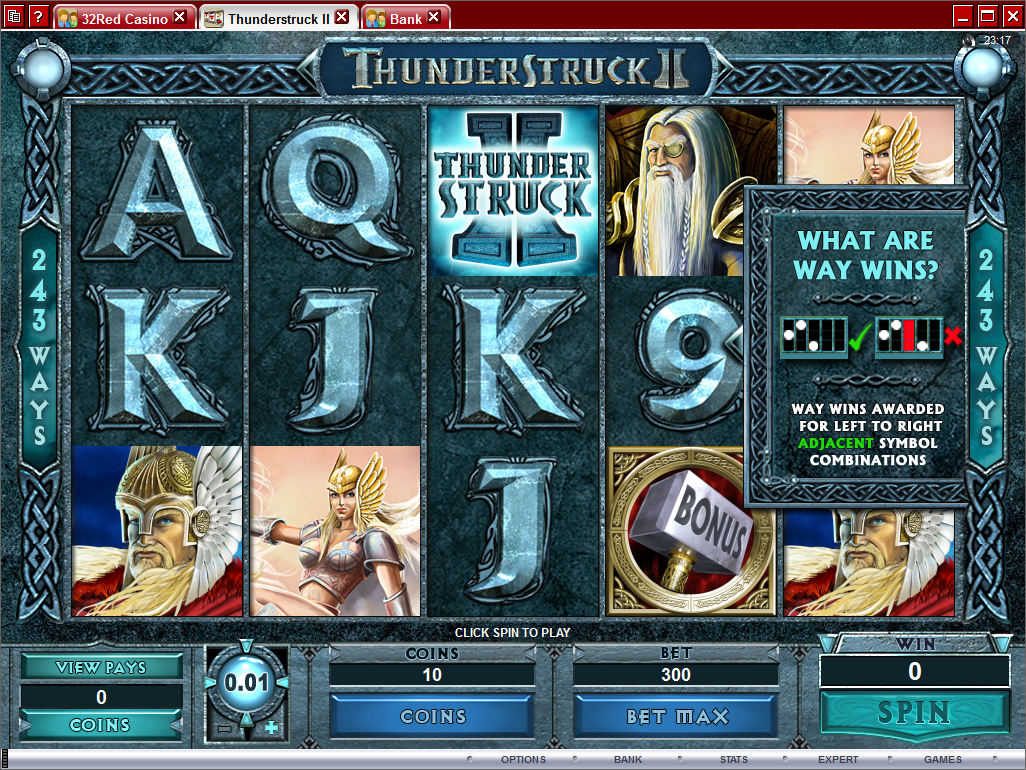
For players who enjoy the Norse adventure of Thunderstruck 2 Slot, managing personal information should be simple and safe. This guide describes the profile privacy controls available to Canadian users. We will go through each control, demonstrate you what it does, and propose ways to tailor your experience. You can feel confident playing, aware you have control over your personal gaming profile.
Adjusting Profile Visibility and Public Information
This section governs what other players can see about you. It’s about defining your public gaming persona. Options here can include showing or hiding your real name, your username, your avatar, and your gameplay stats. You might opt to be an anonymous warrior, or you might wish to share your accomplishments. Settings may also manage whether people can see that you’re online. Reflect about each element on its own. Maybe you want to reveal your player level but keep your total winnings private. Modifying these settings lets you participate in the social parts of gaming on your own terms. You reveal only what you want to share.
- Username & Avatar Visibility: This determines if your chosen alias and profile picture are public or just for you.
- Gameplay Statistics: This manages if metrics like your level, achievements, or session history appear on public leaderboards.
- Online Status Indicator: This lets you show “offline” even while playing, which helps you immerse without interruption.
- Profile Discovery: These settings influence whether your profile can be found through a search, either inside or outside the platform.
Legal Compliance: Navigating Canadian Privacy Laws (PIPEDA)
For Canadian residents, the Personal Information Protection and Electronic Documents Act (PIPEDA) sets the federal regulations. It controls how private-sector organizations collect, utilize, and disclose personal information. A platform catering to Canadian users, like the one hosting Thunderstruck 2 Slot, should adhere to PIPEDA’s requirements. This signifies your data must be obtained with your consent, employed for the reasons provided, and safeguarded with proper safeguards. You have the ability to obtain the personal information the organization holds about you. You can also challenge its accuracy. Knowing that these laws underpin the privacy settings we discuss adds reassurance. The settings are not just features; they are part of a legal responsibility to safeguard your rights.
Viewing Your Profile and Privacy Dashboard
Begin with your player profile. Once you log into your account, look for your username or avatar. This is usually in the top-right corner of the screen. Click on it. A dropdown menu will open. Pick “My Account,” “Profile,” or “Settings.” In this area, look for a tab or section called “Privacy,” “Security,” or “Account Preferences.” This is your command center. The dashboard arranges similar settings together in a logical way. Review each subsection at your own pace. You can explore without fear; changes can usually be undone. Getting to know this dashboard is the best first step toward taking charge of your privacy here.
Exploring the Interface Layout
The privacy dashboard arranges options into clear blocks. You may see sections for “Profile Visibility,” “Data & Communications,” and “Login Security.” Each option employs a toggle switch, a checkbox, or a dropdown menu. Explanatory text appears next to each setting to explain what it does. If you come across a term you don’t understand, find a small question mark icon or a “Learn More” link. These are there to help. Focusing on the “Profile Visibility” settings often provides a quick sense of control, as these influence how you are seen to others on the platform.
Understanding Default Settings
When you set up an account, certain privacy defaults are automatically set. These defaults try to balance basic protection with the platform’s core functions. But this balance might not match your personal comfort level. For example, the default could permit your game achievements show on leaderboards or enable promotional emails. You ought to review each default setting instead of just accepting them. Knowing where you start allows you make deliberate changes. You can modify things to fit your own privacy expectations for playing Thunderstruck 2 Slot.
Account Sessions and Access Log
Active session management shows you who has access to your account, at this moment and in the past thunderstruck2.ca. Within this option, you can commonly see a list of devices and locations where your account is presently active. If you spot a session from a machine or area you no longer use, like a shared terminal or a hotel abroad, you can end that session right away. You can also review your access records. This enables you to spot any unauthorized access attempts. Any unfamiliar IP addresses or access times should be a red flag. Should you notice something unusual, change your password right away. Monitoring this log frequently is a good routine. Doing it once a month is a critical component of preventive privacy and safety for any online gaming account.
Protection Options: Passwords and Verification
Privacy is tightly connected to account security. The tightest visibility settings are useless if someone else can breach your account. This section is for reinforcing your login credentials. At the very least, you need to update your password periodically. Look for an option to enforce a “strong” password, which commonly necessitates a mix of letters, numbers, and symbols. Better platforms provide Two-Factor Authentication (2FA). This introduces a second verification step, usually through an app or an SMS code. Turning on 2FA is one of the strongest actions you can take. It safeguards your account and, by extension, all your private data. We view this not as an optional extra but as a basic standard for protecting your access to Thunderstruck 2 Slot and any linked funds or details.
Handling Personal Data and Communication Preferences
This category deals with how the platform itself utilizes your data and how it communicates with you. It’s distinct from public visibility. It concentrates on the behind-the-scenes flow of information. Here you will find controls for email subscriptions, promotional offers, in-app notifications, and data collection for analytics. You can choose exactly which types of messages you want to obtain. These might be deposit bonuses, announcements for new slot games, or essential service updates. You can also often examine what personal data the site stores and ask for it to be removed. This is your way to establish a communication stream that fits you, free from clutter and aligned with what you find engaging.
Email and Notification Preferences
Fine-tuning these settings stops your inbox from getting flooded. It guarantees you only get alerts you value. You can usually split “Transactional” emails, like deposit receipts, from “Marketing” emails, like bonus offers. It’s a good idea to maintain transactional emails active for your own records. For marketing emails, be choosy. Maybe you want news about new Norse-themed games but not about other types of games. You can also adjust pop-up notifications within the platform here. A good notification setup enhances your gameplay. It brings timely information without distracting you during a crucial spin in Thunderstruck 2.
Data Usage and Retention Guidelines
A trustworthy platform is transparent about how it uses data. This subsection usually gives a clear overview of what gets captured. This can include device information, your IP address, and gameplay patterns. It will explain the main reasons for collection, like security, fraud prevention, and service improvement. You might see options to limit certain types of data collection, though this could affect some personalized features. You will always see links to the full Privacy Policy and Terms of Service here. Every user should read these documents. They help you understand your rights and the platform’s commitments on data handling and how long they retain information.
Managing Your Gaming Privacy
Controlling your profile privacy settings in Thunderstruck 2 Slot is a straightforward process with tangible impact. We’ve examined why these settings are important, demonstrated how to find and tweak them, and supplied a guide for enhanced security and privacy for Canadian users. From controlling what others view to regulating your inbox, from reinforcing your login to knowing your legal safeguards, each step empowers you. It builds a safer, more customized gaming experience. We suggest you spend a little time today looking over your settings. Then you can zero in on what matters: savoring the epic quests and exciting spins of this classic slot game, assured in the certainty that your personal information is under your command.
Frequent Privacy Issues and Ways to Handle Them
Users frequently have certain concerns. These can usually be fixed right away with the controls we’ve outlined. A typical query is, “Can other players see my real name or email address?” This is managed entirely in the Profile Visibility section. Make sure those fields are set to private. Another is, “Am I getting too many promotional emails?” The response lies in Communication Preferences. You can opt out from whole categories there. “What if someone else gets into my account?” is handled by using a strong, unique password, enabling 2FA, and monitoring your sessions. Finally, “How is my gameplay data used?” is described in the Data Usage policies. By associating common concerns to specific settings, we turn privacy management a useful part of your gaming routine. It becomes something you can handle.
Addressing Data Breach Fears
The concept of a data breach is worrying. No system is entirely invulnerable. But your measures can reduce the risk and the likely damage. Use a unique password for your gaming account. That way, a breach somewhere else won’t jeopardize this account. Turn on Two-Factor Authentication. This provides a critical barrier even if your password gets compromised. Also, limit the amount of personal data you store in your profile. This limits what could be leaked. If a breach does happen, a reputable platform is obligated by laws like PIPEDA to notify affected individuals. They will advise you on protective steps, like watching your financial accounts. Using privacy controls preventively is your best personal defense.
Overseeing Third-Party Integrations
At times you link your account to other services. This might be for easier login with a social media account, or for a payment processor. It’s important to check which services have access. These integrations frequently have their own permissions. They might transfer data back to that third party. You should periodically examine these connections. Revoke access for any you no longer use or trust. This narrows your digital footprint and eliminates possible data-sharing paths you might have forgotten about. You can usually find this setting under names like “Connected Apps” or “Account Links” within the security or privacy dashboard.
Comprehensive Guide to Ideal Privacy Settings
Personal preferences differ, but we can suggest a good starting point. Use these steps to establish a robust privacy setup. To start, go to your Privacy Dashboard as explained earlier. Secondly, in the Profile Visibility section, configure every option to the most restrictive level, like “Only Me,” unless you have a specific reason to share. Thirdly, in Communications, deactivate all promotional emails and in-app notifications. Then, carefully turn back on only the ones you really want. Finally, in Security, update your password to a strong, strong one. Enable Two-Factor Authentication immediately. Finally, inspect your Login History and terminate any old sessions. This systematic approach takes about 15 minutes. It offers you lasting peace of mind.
- Go to your account profile menu and open the Privacy Dashboard.
- Configure all Profile Visibility settings to highest restrictions as your default.
- Check and customize your Communication Preferences to reduce clutter.
- Strengthen Security by updating passwords and turning on 2FA.
- Conduct a thorough check by looking at active sessions and login history.
Reasons Privacy Settings Matter in Online Gaming
The data you generate while gaming has value. This covers your login details, your gameplay history, and sometimes payment information. Securing this data is crucial. Privacy settings are your main means for this defense. They let you decide what information is shown and how it gets used. For someone experiencing Thunderstruck 2 Slot, this means maintaining your gaming identity safe and your activity private. These controls also help you manage notifications, how the platform engages with you, and your visibility to other players. A safe player can settle and center on the game. Spending a few minutes on these settings means you can savor your time in Asgard without worry.